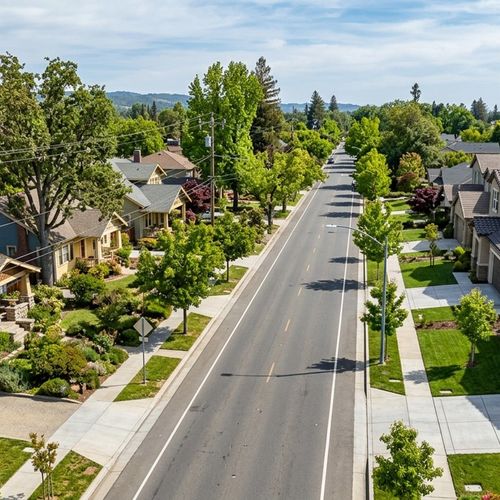


If you're looking to put down roots in the Sacramento area, buying a home in Citrus Heights, CA, gives you a real range of options. The overall median sale price sits around $481,000, properties are averaging roughly 15 days on the market, and there are 146 total homes in the active inventory - everything from traditional single-family houses to lower-maintenance attached properties.
For a lot of buyers, condos, townhouses, and halfplexes are where the conversation starts. They're an accessible entry point, and understanding the different types of homes in Citrus Heights, CA, can help you find something that fits both your budget and your day-to-day life.
Condo Prices and Real Estate Trends
Condos offer a meaningful price advantage over the broader local market. While the overall median home sale price is approaching a half-million dollars, the median list price for condos is roughly $225,000 - and with about 39 active listings, the median list price hovers near $250,000.
That said, this segment has seen some softening. First-quarter data showed a median condo sale price of $217,000, which was an 8.5% year-over-year decline. It's worth keeping an eye on those numbers, because the overall market is still moving fast - homes are selling at about 101% of list price, so the broader competition isn't going anywhere.
Finding Listings by Size and Budget
Most condo searches begin with filtering by bedroom count and square footage. Citrus Heights has compact one-bedroom units for solo buyers and larger multi-bedroom layouts that give you room for a home office or guests - the inventory is genuinely mixed.
Setting a firm budget early narrows things down quickly. Because attached homes cost considerably less than detached houses here, you have real room to prioritize things like updated interiors or a specific neighborhood without pushing past your pre-approval limits.
Deciding When to Buy
Timing a purchase comes down to two things: your own financial readiness and what inventory is doing. With just 2.4 months of supply across the broader market, you're still operating in a relatively tight environment. Well-priced units don't sit.
Get your financing in order before you start seriously looking. If a good condo hits the market, you won't have time to scramble.
HOA Fees and Community Rules
Buying a condo or townhouse means you'll be paying homeowners association dues - that's not optional. Those fees cover shared space maintenance, building exteriors, and more, and they vary more than most buyers expect.
HOA dues for condo and townhome communities in the area generally fall between $300 and $700 per month, which is in line with typical California ranges. Some communities run lower - smaller 1973-built units in the Edgewood subdivision, for example, charge as little as $285 per month. The number depends on the development, the amenities, and how aggressively the association funds its reserves.
What Condo Dues Typically Cover
Most associations use monthly dues to cover exterior building maintenance, roof repairs, and landscaping for common grounds. Depending on the community, your dues might also cover trash removal, water, and a master insurance policy for the structures.
Developments with pools, fitness centers, or gated security entrances will sit at the higher end of that range. Those amenities cost real money to maintain, and that cost is split among all unit owners.
Asking the Right Questions Before Closing
During escrow, ask for the HOA reserve study. It tells you whether the association has set aside enough money for major upcoming repairs - repaving the parking lot, replacing siding, that kind of thing. An underfunded reserve is a red flag that can turn into a special assessment bill after you close.
Read the community rules carefully, too. Pets, parking, and rental caps all vary by development. If there's any chance you'd want to lease the unit out later, confirm what the association actually allows before you're locked in.
Popular Condo Communities and Neighborhoods
Citrus Heights has several well-established condo and townhome developments spread across the city. Named HOA communities include Crosswoods, Creekridge, Arcade Lake, Park Oaks, Coventry Square, Stanford Park, Donegal Terrace, Creekside, and Sunrise Knoll Townhomes - each with its own fee structure, rules, and character.
Location matters as much as the unit itself. On the west side of the city, the Chant neighborhood spans roughly 1.343 square miles and is home to about 2,823 residents, with a central position and access to local routes.
Properties Near Arcade Creek
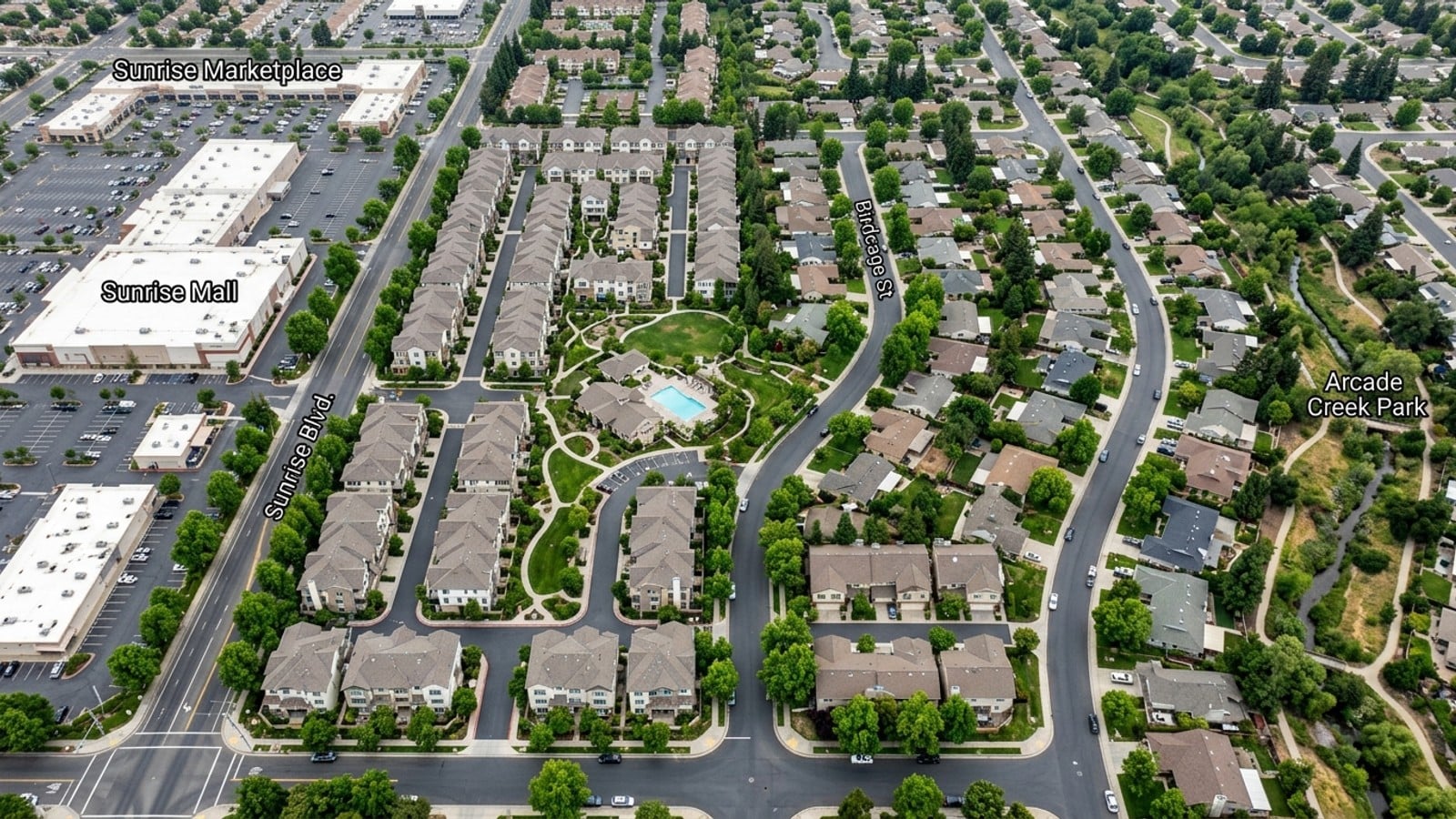
If green space is a priority, units near Arcade Creek are worth a close look. The creek runs directly through the city, gives the Arcade Creek neighborhood its name, and provides walking paths and open space for nearby residents.
Developments near Sunrise Mall put you close to a major commercial hub that's currently the focus of a large-scale revitalization effort - so the area is evolving, which is something to factor into your thinking.
Options for Sacramento Commuters
Citrus Heights works well as a home base for people working across the wider metro area. Condos near major arterial roads give you straightforward access to downtown Sacramento and neighboring suburbs.
Before you commit to a specific complex, drive the route during peak morning and evening hours. A few miles can make a noticeable difference depending on where exactly you land.
Townhouses, Duplexes, and Multi-Family Alternatives
The local market goes beyond standard condominiums. Townhouses, halfplexes, and duplexes fill the space between apartment living and a fully detached single-family home - and for a lot of buyers, that middle ground is exactly right.
Townhomes typically offer multi-level living with no neighbors above or below, and they often include a small private patio or an attached garage. Halfplexes - two homes sharing one common wall - feel closer to a detached house in day-to-day life but usually come in at a lower purchase price.
Attached Housing vs. Traditional Single-Family
Going with an attached home generally means trading a large private yard for reduced exterior maintenance. The association handles landscaping and roof repairs, which frees up your weekends.
Shared walls also provide natural insulation, so heating and cooling costs tend to run lower. The tradeoff is proximity to your neighbors - it's closer quarters than a detached house, and that's worth being honest with yourself about before you buy.
Multi-Family Investment Properties
Duplexes and small multi-family buildings attract buyers who want to generate rental income. Living in one unit and renting out the other is a straightforward way to offset the monthly mortgage payment, and it's a common approach in this market.
Before you go that route, evaluate the local rental market carefully and run the actual numbers - property taxes, insurance, and maintenance reserves included. Cash flow projections that don't account for those costs tend to look better on paper than they do in practice.
Affordability and Living in the Area
Citrus Heights carries a cost of living score of 127.2, meaning housing, food, transportation, and taxes run about 27% above the national average. Those overall costs are still lower than the California state average, which is context worth having.
The availability of condos priced in the low-to-mid $200,000s is what makes this market genuinely accessible across a range of budgets. Against a broader local median of $481,000, attached homes represent a real path to ownership - not just a theoretical one.
First-Time Buyers and Downsizers
First-time buyers are often drawn to condos and townhomes specifically to stop paying rising rents and start building equity. Lower purchase prices mean smaller down payments and more manageable monthly obligations, which matters when you're working with a first home budget.
Downsizers and retirees tend to gravitate toward these properties for different reasons - single-story layouts, no yard to maintain, no exterior upkeep to schedule. Moving out of a large older house into a modern condo is a practical shift for a lot of people at that stage.
Comparing Buying vs. Renting
How long you plan to stay is the question that drives this decision. Buyers who intend to stay at least five to seven years generally come out ahead by locking in a fixed monthly payment and benefiting from appreciation over time.
Renting keeps your options open, but it also leaves you exposed to annual lease increases. Buying secures your housing costs - though you'll need to be prepared for unexpected interior repairs and property tax obligations that renters don't carry.
Frequently Asked Questions
What are the most common architectural styles for single-family homes in Citrus Heights?
Many neighborhoods feature homes dating back to the 1970s, including traditional ranch-style houses and attached condo developments like Edgewood, which was built in 1973. You'll also find a variety of townhomes, halfplexes, and modern multi-family properties mixed in with older single-family builds.
What common maintenance issues should I look out for when buying an older 1970s ranch-style home in Citrus Heights?
Buyers inspecting older 1970s homes should check the condition of the roof, plumbing, and HVAC systems. If you're buying an older attached property - say, a 1970s unit in a condo association - pull the HOA documents and confirm whether exterior maintenance and roof repairs are covered by your dues.
Are halfplexes a good alternative to single-family homes for first-time buyers in Citrus Heights?
Yes. Halfplexes and condos offer a more affordable entry point into the market. With the overall median home sale price sitting around $481,000, attached properties give buyers a lower-cost option to start building equity without taking on a massive mortgage.
Which types of neighborhoods or properties in Citrus Heights typically require HOA fees?
Condominium and townhome communities consistently require HOA dues to cover shared maintenance. Specific named developments like Crosswoods, Creekridge, Arcade Lake, Park Oaks, and Sunrise Knoll Townhomes all charge monthly fees, which generally range from $300 to $700.
Check out this article next