



Don’t let headlines and bad data drive your real estate decisions. Download the Made 4 More app for accurate listings and real-time market information—without your information being sold. Know the numbers, understand the market, and make your next move with confidence! 🏡📈
If 2026 has felt a little chaotic, you’re not alone. Between economic headlines, changing interest rates, and nonstop uncertainty, it’s easy to wonder whether the housing market is headed for another crash.
But here’s the thing: fear and facts aren’t always telling the same story.
If you’ve been putting off buying or selling because you’re waiting for the housing market to “settle down,” you might be surprised to learn that it already has. Look at three of the biggest factors affecting real estate—home prices, housing inventory, and mortgage rates—and a much calmer picture starts to emerge.
Home Prices Aren’t Running Away Anymore
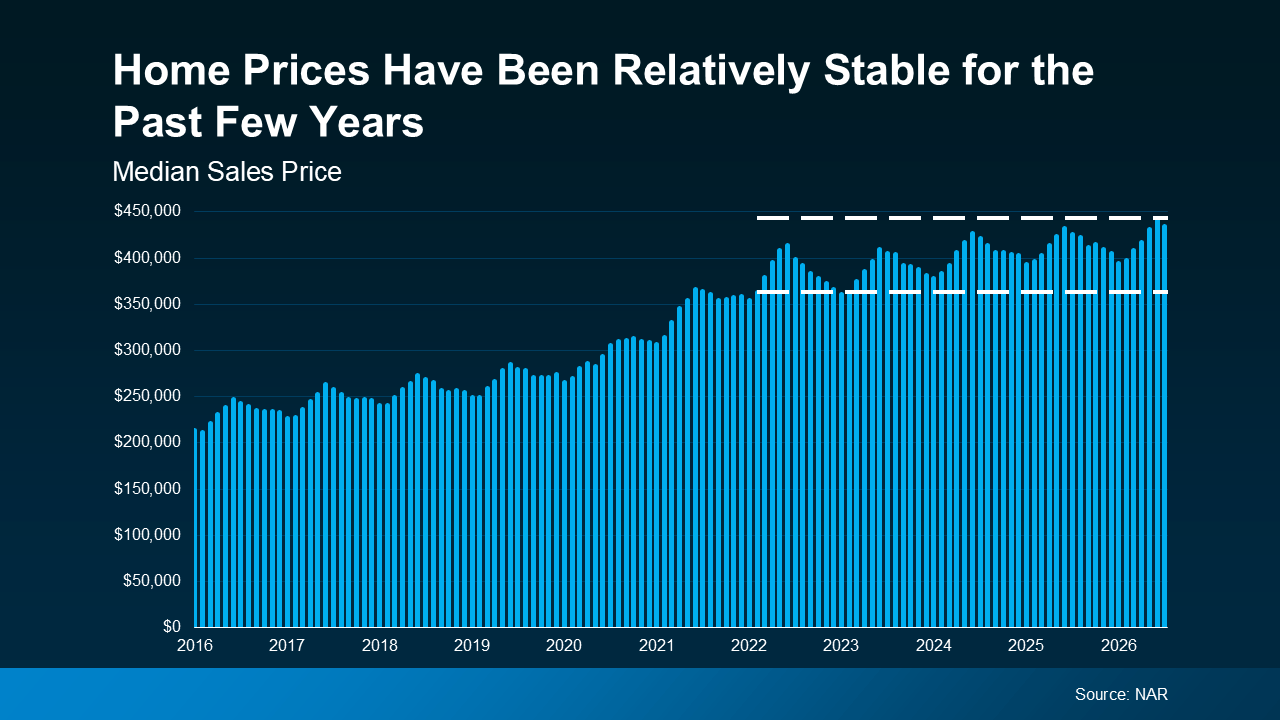
Remember when home prices seemed to jump every time you checked the market?
That rapid pace of appreciation has cooled significantly. Instead of dramatic price increases, today’s housing market is showing much more moderate movement.
That matters.
For buyers, steadier home prices can make budgeting and planning easier. You’re not necessarily racing against the clock because prices are skyrocketing every few months.
For sellers, it means pricing strategy matters more than ever. You can’t simply put a home on the market at an aggressive price and assume rising prices will eventually make it work.
In other words, the market has shifted from “How fast can prices rise?” to “What is this home actually worth today?”
That’s a healthier environment for real estate professionals who know how to read the numbers and guide their clients accordingly.

Housing Inventory Is Becoming More Predictable
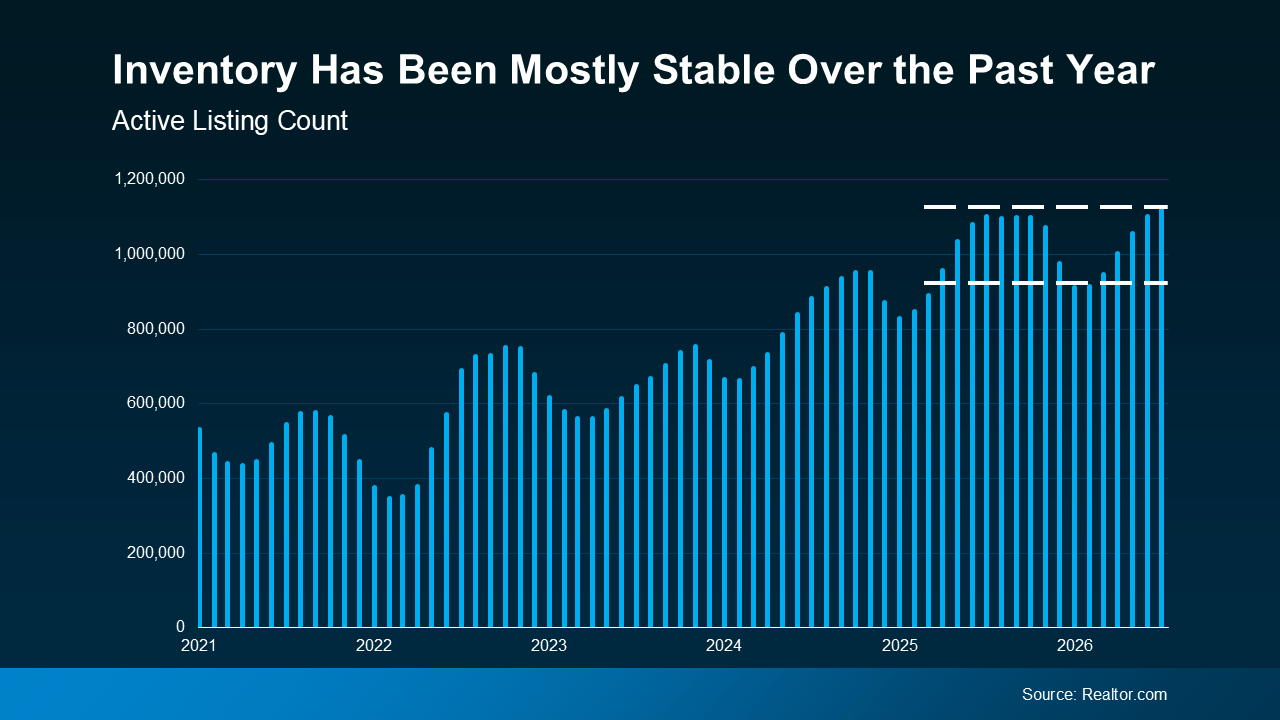
Inventory has also been one of the biggest stories in real estate.
During the pandemic, available homes disappeared quickly. Buyers faced intense competition, multiple offers, and very little negotiating power. Since then, inventory has gradually improved.
Now, however, the pace of inventory growth has started to level out.
Why does that matter?
Because predictability gives buyers and sellers something extremely valuable: a clearer picture of what they’re walking into.
Buyers can better understand how many homes they may have to choose from and what kind of competition they’re facing. Sellers can get a better sense of how much competing inventory is sitting nearby.
Think of it like driving with a clear windshield instead of trying to navigate through fog. The road may still have twists and turns, but at least you can see what’s ahead.
Mortgage Rates Have Found a Range
Mortgage rates have certainly been a major source of anxiety.
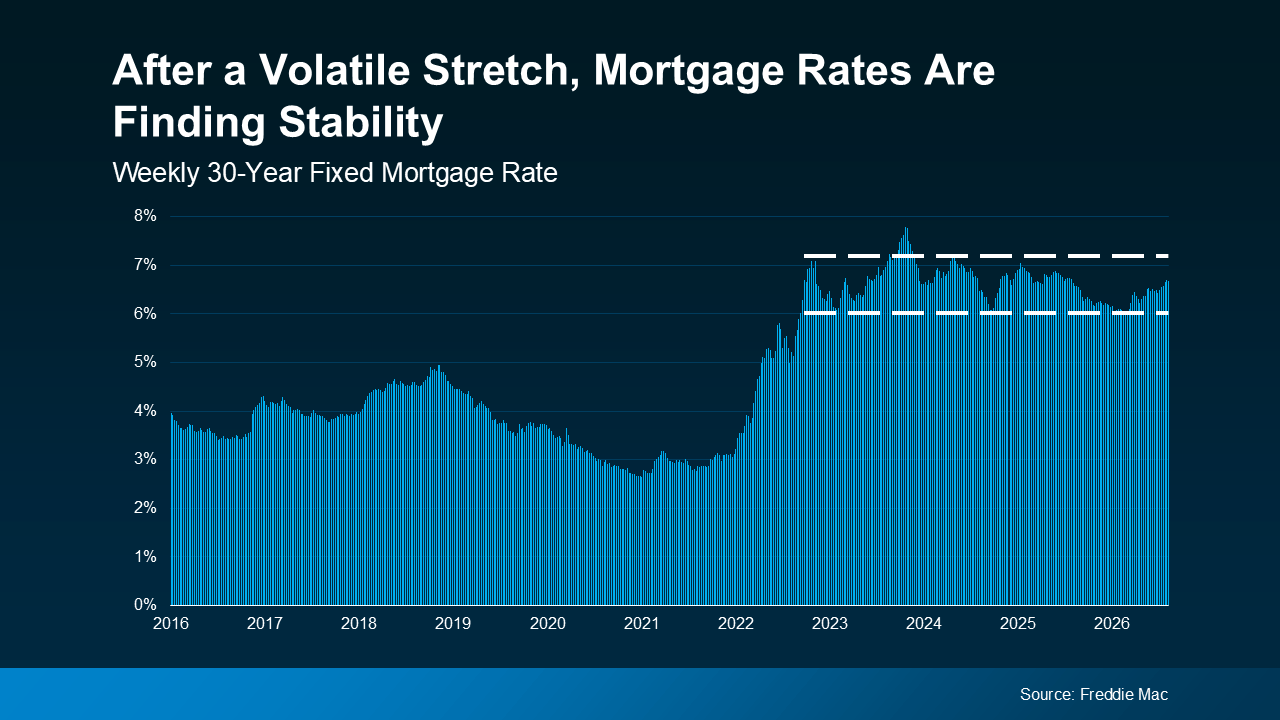
After the sharp increase that began in 2022, many buyers understandably hoped rates would quickly return to the ultra-low levels they had become accustomed to.
That hasn’t happened.
Instead, mortgage rates have generally spent the past few years in a relatively consistent range around the mid-6% to 7% area, with some movement above and below it.
Is that the cheapest financing environment we’ve ever seen? No.
But is it necessarily a reason to freeze the entire housing market? Also no.
People adapt.
Buyers adjust their budgets, explore different loan options, negotiate on price, and sometimes refinance later if market conditions change. Sellers adjust their expectations and focus on what today’s buyers can realistically afford.
The important takeaway is that buyers and sellers have had time to adjust to today’s rate environment.
And that adjustment creates stability.
So, Are We Headed for a Housing Crash?
This is where context matters.
A market correction and a housing crash are not the same thing.
A crash typically involves a combination of severe price declines, distressed homeowners, excessive inventory, weak demand, and other major economic problems.
Today’s housing market is far more nuanced.
Prices have become steadier. Inventory has improved but isn’t behaving like an uncontrolled flood of homes. Mortgage rates have established a range that consumers have gradually adapted to.
That doesn’t mean every city, neighborhood, or price range is performing exactly the same way. Real estate is intensely local.
What happens in one market can look completely different from what’s happening 30, 60, or 100 miles away.
That’s why national headlines shouldn’t be the only thing driving your real estate decisions.
What This Means for Buyers and Sellers
If you’re a buyer, this could be an opportunity to approach the market with a little less panic and a lot more strategy.
You may have more time to compare homes, negotiate terms, and make a decision based on your financial situation instead of feeling pressured to make an offer immediately.
If you’re a seller, today’s market rewards preparation. Accurate pricing, strong presentation, smart marketing, and understanding your competition can make a significant difference.
And if you’re a real estate agent, this is exactly why knowing the numbers matters.
Clients don’t just need someone to open doors or put a sign in the yard. They need someone who can separate the noise from the data and explain what the market actually means for their situation.
The Bottom Line: Stability Can Be an Opportunity
The headlines may still feel stressful, but the housing market doesn’t necessarily deserve all the fear surrounding it.
Home prices have cooled from their breakneck pace. Inventory has become more predictable. Mortgage rates have settled into a range buyers and sellers are increasingly familiar with.
That doesn’t mean there are no challenges. It means there are opportunities hiding inside the stability.
Whether you’re thinking about buying, selling, investing, or growing your real estate business, the smartest move may not be waiting for everything to become perfect.
It may be learning how to make the most of the market we actually have.
Ready to make your next real estate move with confidence? Call or text us at 855-935-MORE.
Check out this article next